
-

 Sale
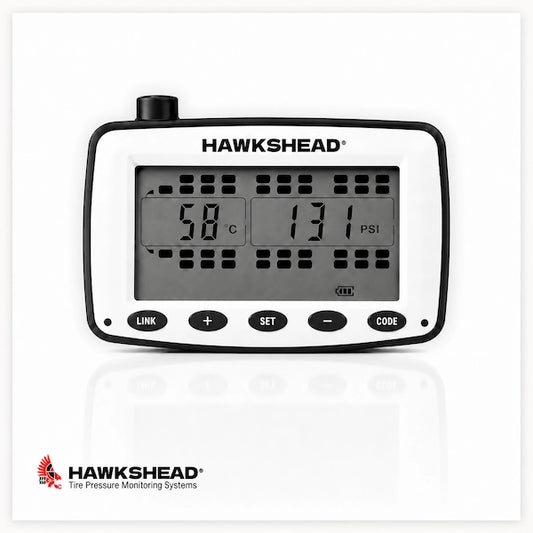
SaleThe Talon X-Treme 38-Wheel TPMS Kit with T-Valv...
SaleTalon X-Treme 38-Wheel TPMS Kit with Cap Sensors and T-Valves
The Talon X-Treme 38-Wheel TPMS Kit with T-Valv...
Vendor:HawksHead SystemsRegular price $429.99 USDRegular priceUnit price per$515.99 USDSale price $429.99 USDSale -

 Sale
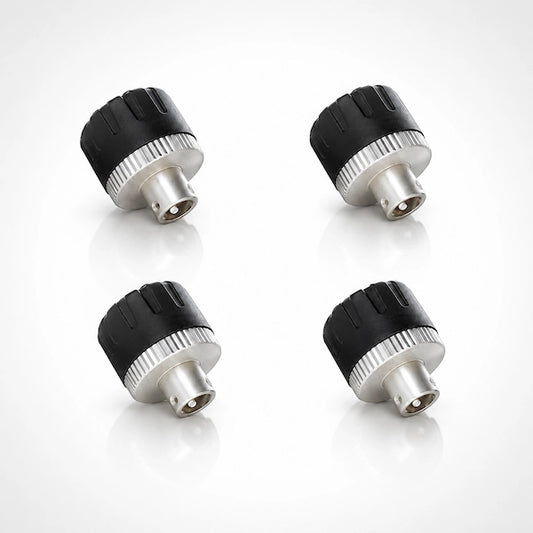
SaleThe Talon X-Treme 38-Wheel TPMS System is built...
SaleTPMS Systems - 38 Wheels with 4 Cap Sensors
The Talon X-Treme 38-Wheel TPMS System is built...
Vendor:HawksHead SystemsRegular price $369.99 USDRegular priceUnit price per$443.99 USDSale price $369.99 USDSale -

 Sale
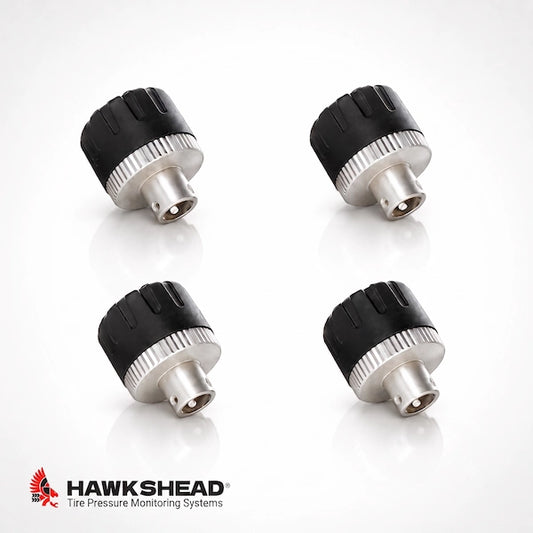
SaleThe Talon 22 TPMS System with 4 Aluminum Cap Se...
SaleTalon 22 TPMS System with 4 Aluminum Cap Sensors
The Talon 22 TPMS System with 4 Aluminum Cap Se...
Vendor:HawksHead SystemsRegular price $369.99 USDRegular priceUnit price per$443.99 USDSale price $369.99 USDSale -

 Sale
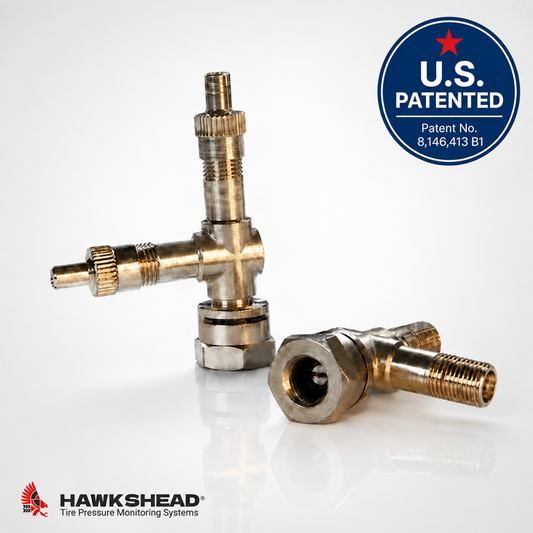
SaleThe Talon 22 TPMS Kit with 4 Aluminum Cap Sens...
SaleTalon 22 TPMS Kit with 4 Aluminum Cap Sensors and 4 T-Valves
The Talon 22 TPMS Kit with 4 Aluminum Cap Sens...
Vendor:HawksHead SystemsRegular price $429.99 USDRegular priceUnit price per$515.99 USDSale price $429.99 USDSale -

 Sale
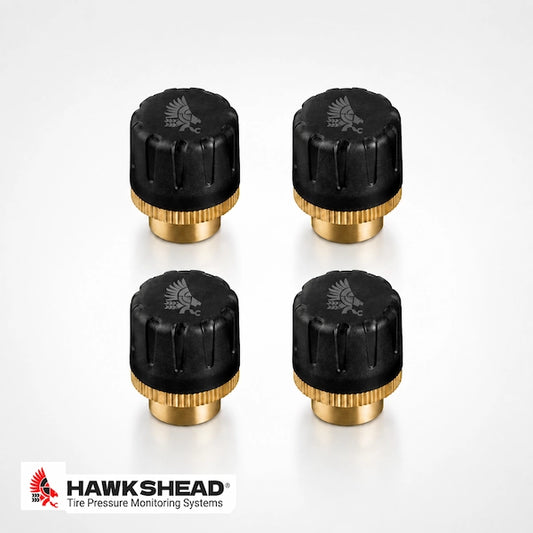
SaleThe Talon 22 TPMS System with 4 Brass Cap Senso...
SaleTalon 22 TPMS System with 4 Brass Cap Sensors
The Talon 22 TPMS System with 4 Brass Cap Senso...
Vendor:HawksHead SystemsRegular price $369.99 USDRegular priceUnit price per$443.99 USDSale price $369.99 USDSale


How to Choose the Right TPMS System
Choose a TPMS system based on the number of tires you need to monitor, operating pressure, sensor configuration and the distance between the sensors and monitor.
Select a monitor that supports every tire position you need to track, including additional sensors you may want to add later.
Match the TPMS sensor and monitor to the operating pressure range of the tires being monitored.
Consider valve configuration, sensor type and monitoring distance when choosing the right system for your setup.
Shop TPMS Systems by Vehicle Type
Already know what you need to monitor? Browse TPMS systems by vehicle application to compare configurations built for your setup.
RV TPMS Systems
Tire pressure and temperature monitoring systems for recreational vehicle configurations.
Shop RV TPMS Systems →Motorhome TPMS Systems
Multi-wheel monitoring configurations for Class A and Class C motorhomes.
Shop Motorhome TPMS Systems →Trailer TPMS Systems
TPMS systems for travel trailers, fifth wheels and towable trailer configurations.
Shop Trailer TPMS Systems →Semi Truck TPMS Systems
Multi-wheel tire pressure and temperature monitoring for heavy-duty trucks.
Shop Semi Truck TPMS Systems →Bus TPMS Systems
Tire monitoring systems for buses, transit vehicles and multi-wheel passenger applications.
Shop Bus TPMS Systems →Motorcycle TPMS Systems
Compact tire pressure and temperature monitoring systems for motorcycles.
Shop Motorcycle TPMS Systems →Mining & Industrial TPMS
TPMS systems and compatible large-bore configurations for mining, OTR and industrial tires.
Shop Mining & Industrial TPMS →Complete Your TPMS System
Add compatible sensors, valves and service components when expanding or maintaining a HawksHead TPMS setup.
TPMS Sensors
Replacement and additional sensors for compatible HawksHead monitoring systems.
Shop TPMS Sensors →TPMS Valves & T-Valves
Valve stems and T-Valve solutions for compatible external sensor installations.
Shop TPMS Valves →TPMS Accessories
Service kits, mounting components and accessories for compatible HawksHead systems.
Shop TPMS Accessories →Does Your TPMS Setup Need More Signal Range?
Longer vehicle configurations can increase the distance between tire sensors and the monitor. A compatible TPMS signal booster can help support sensor-to-monitor communication when additional range is needed.
View TPMS Signal Booster →TPMS Systems FAQs
What does a TPMS system monitor?
HawksHead TPMS systems monitor tire pressure and temperature at configured tire positions and display that information on the system monitor.
How do I choose the right TPMS system?
Start with the number of tires you need to monitor, tire pressure range, sensor configuration and monitoring distance. Then select a monitor with enough capacity for the complete setup.
How many TPMS sensors do I need?
You generally need one compatible sensor for each tire position you want to monitor.
Can I add more sensors to a HawksHead TPMS system?
Compatible HawksHead systems can support additional sensors up to the maximum wheel capacity of the monitor. Check the capacity of the specific system before adding sensors.