
Collection: Bus TPMS Systems

Shop HawksHead bus TPMS systems designed for transit buses, school buses, touring buses, shuttle buses and commercial fleet vehicles. A bus tire pressure monitoring system helps operators monitor tire pressure and temperature in real time across multiple wheel positions.
A reliable TPMS for buses can support daily inspections, long routes, passenger transport and commercial fleet operations. Instead of relying only on manual pressure checks, HawksHead TALON systems use external sensors to send tire pressure and temperature data directly to the monitor from the driver’s seat.
Bus fleets need tire visibility because pressure loss, rising tire temperature or sudden tire changes can affect safety, uptime and operating costs. HawksHead TPMS systems are designed for commercial vehicle applications with programmable alerts, external cap sensors, replaceable batteries and flexible installation options.
Choose the right bus TPMS system based on wheel count, route type, PSI range, valve access and fleet requirements. This collection includes practical HawksHead products for transit buses, school buses, touring buses and commercial vehicle tire monitoring.
Bus TPMS Systems for Transit, School and Touring Buses
HawksHead bus TPMS systems are designed for commercial transportation applications where tire pressure and temperature visibility matters. This includes transit buses, school buses, shuttle buses, touring buses and fleet vehicles that operate on daily routes.
With a bus tire pressure monitoring system, drivers and fleet operators can monitor tire conditions in real time instead of depending only on manual checks before each route. This helps provide better visibility across multiple tires and supports more consistent fleet maintenance.
Real-Time Tire Pressure Monitoring for Bus Fleets
Bus tires can experience pressure loss, heat buildup or sudden changes during daily service, long-distance routes or passenger transport. A tyre pressure monitoring system for bus applications helps identify these changes earlier and gives operators better visibility over tire conditions.
HawksHead TALON systems use external TPMS sensors with replaceable batteries and programmable alerts. This makes them practical for commercial vehicle TPMS applications where fleet managers need tire monitoring across several units.
Recommended HawksHead TPMS Products for Buses
For bus applications, HawksHead recommends TPMS systems that support multiple wheel positions, commercial tire pressure ranges and reliable real-time monitoring. TALON 22 is a practical option for many bus configurations, while additional sensors and valve products can support replacement, expansion and maintenance needs.
Bus fleets may also benefit from brass TPMS sensors, T-Valve adapters for easier tire inflation and signal support products for longer or more complex vehicle setups.
Choose the Right Tire Pressure Monitoring System for Bus Fleets
Before choosing a bus TPMS system, consider how many wheels you need to monitor, the type of bus, tire pressure range, valve access and whether the system will be used across one vehicle or a larger fleet.
For commercial bus fleets, choose a tire pressure monitoring system that supports your wheel count, sensor type and maintenance process. Additional TPMS sensors, T-Valve adapters and accessories can help adapt the setup to your daily operation.
-
 Sale
SaleBefore you order Ch...
SaleHawksHead TPMS T-Valve Stem for External Sensors
Before you order Ch...
Vendor:HawksHead SystemsRegular price $14.99 USDRegular priceUnit price per$17.99 USDSale price $14.99 USDSale -
 Sale
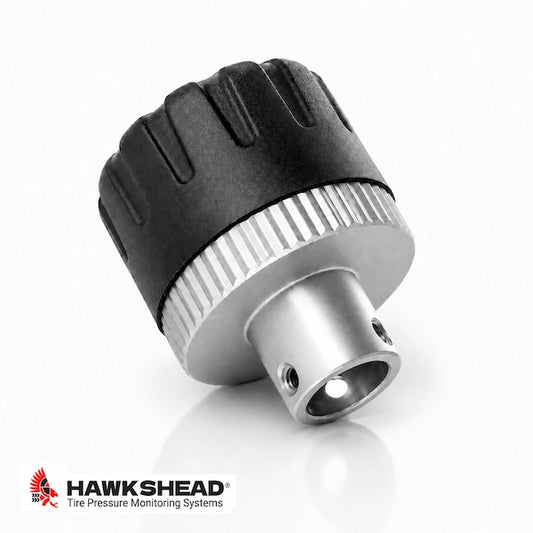
SaleExternal Talon TPMS Cap Sensor With Lock Add or...
SaleExternal Talon TPMS Cap Sensor With Lock
External Talon TPMS Cap Sensor With Lock Add or...
Vendor:HawksHead SystemsRegular price $52.00 USDRegular priceUnit price per$61.99 USDSale price $52.00 USDSale -
 Sale
SaleThe Talon Brass TPMS Sensor is recommended for ...
SaleTalon Brass TPMS Sensor for Semi Trucks and Buses
The Talon Brass TPMS Sensor is recommended for ...
Vendor:HawksHead SystemsRegular price $52.00 USDRegular priceUnit price per$61.99 USDSale price $52.00 USDSale -
 Sale
SaleWireless TPMS System for Tire Pressure Monitori...
SaleWireless TPMS System for Tire Pressure Monitoring
Wireless TPMS System for Tire Pressure Monitori...
Vendor:HawksHead SystemsRegular price $109.00 USDRegular priceUnit price per$130.99 USDSale price $109.00 USDSale -

 Sale
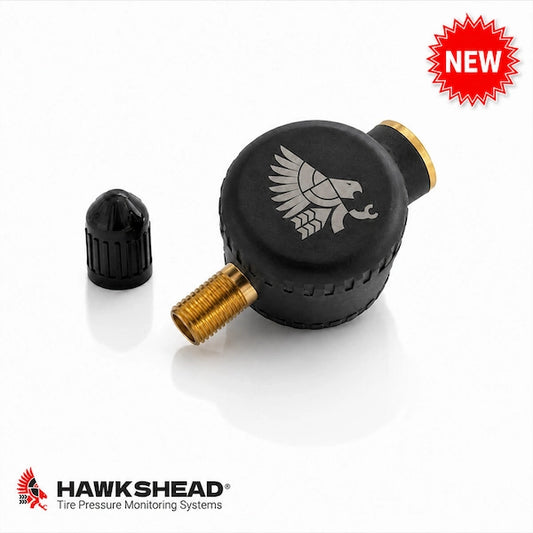
SaleTalon6 TPMS Kit – Monitor Talon 6 and 4 Through...
SaleTalon6 TPMS Kit – Monitor Talon 6 and 4 Through Sensor
Talon6 TPMS Kit – Monitor Talon 6 and 4 Through...
Vendor:HawksHead SystemsRegular price $420.99 USDRegular priceUnit price per$505.99 USDSale price $420.99 USDSale -
 Sale
SaleThe Talon 22 TPMS Kit – Monitor and 4 Through S...
SaleTalon 22 TPMS System with 4 Through Sensor
The Talon 22 TPMS Kit – Monitor and 4 Through S...
Vendor:HawksHead SystemsRegular price $420.99 USDRegular priceUnit price per$505.99 USDSale price $420.99 USDSale -

 Sale
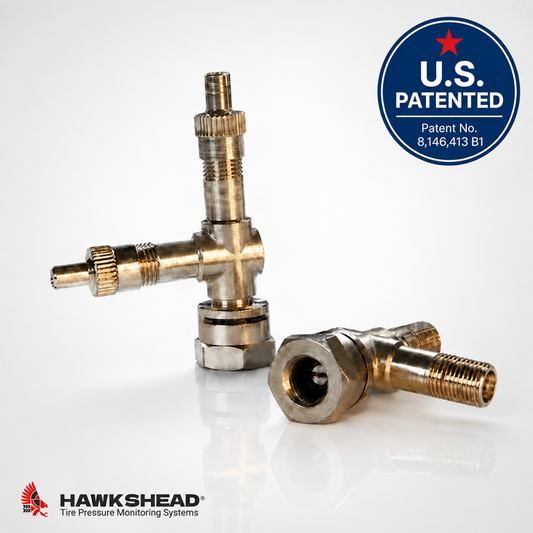
SaleThe Talon 22 TPMS Kit with 4 Aluminum Cap Sens...
SaleTalon 22 TPMS Kit with 4 Aluminum Cap Sensors and 4 T-Valves
The Talon 22 TPMS Kit with 4 Aluminum Cap Sens...
Vendor:HawksHead SystemsRegular price $429.99 USDRegular priceUnit price per$515.99 USDSale price $429.99 USDSale -

 Sale
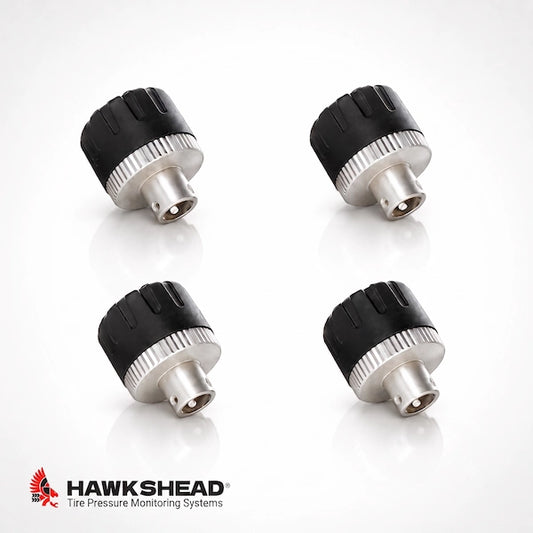
SaleThe Talon 22 TPMS System with 4 Aluminum Cap Se...
SaleTalon 22 TPMS System with 4 Aluminum Cap Sensors
The Talon 22 TPMS System with 4 Aluminum Cap Se...
Vendor:HawksHead SystemsRegular price $369.99 USDRegular priceUnit price per$443.99 USDSale price $369.99 USDSale


Improve Bus Tire Safety, Records, and Maintenance Control
Bus TPMS supports real-time pressure and temperature visibility. Flotal helps passenger fleet operators document tire inspections, tire condition, tire history, replacements, and maintenance decisions across multiple units.
- Bus tire inspection records
- Maintenance visibility by unit
- Tire condition documentation
- Lifecycle control for passenger fleets
How to Choose a Bus Tire Pressure Monitoring System
Choosing the right bus tire pressure monitoring system depends on the number of tires being monitored, the bus type, route distance, fleet maintenance needs and whether the setup requires signal support. A bus TPMS should help monitor tire pressure and temperature from the driver’s position while the vehicle is in operation.
For passenger transport, shuttle fleets and commercial bus operations, tire monitoring needs are different from smaller vehicles. A tyre pressure monitoring system TPMS bus setup should match the wheel count, sensor type, valve access, route profile and maintenance workflow of the fleet.
Recommended HawksHead TPMS Setup for Buses
| Bus Application | Recommended TPMS Setup | Best For |
|---|---|---|
| Passenger bus | Bus TPMS system with external cap sensors | Monitoring tire pressure and temperature during daily passenger routes. |
| Shuttle fleet | Fleet TPMS system with compatible sensors and maintenance parts | Short-route commercial passenger transport and scheduled fleet maintenance. |
| Transit or city bus | Commercial vehicle TPMS with multi-wheel monitoring capacity | High-frequency routes, daily inspections and tire condition visibility. |
| Long-distance coach bus | Wireless TPMS with signal support if needed | Longer routes where pressure and temperature visibility are important. |
| Dual wheel or difficult valve access | External TPMS sensors with compatible T-Valves or metal valve stems | Making tire inflation and routine pressure checks easier for maintenance teams. |
Why Buses Need Tire Pressure and Temperature Monitoring
Buses operate with passenger loads, frequent stops, daily route schedules and strict maintenance expectations. Tire pressure loss or rising tire temperature can affect readiness, maintenance planning and driver awareness during operation.
A bus tire pressure monitoring system helps drivers and maintenance teams track tire pressure and temperature more consistently. For passenger fleets, shuttle services and commercial bus operators, TPMS can support better routine inspections and help identify tire condition changes earlier.
TPMS Sensors, Valves and Signal Support for Bus Fleets
A bus TPMS setup usually uses external sensors installed on each monitored tire. These sensors send tire pressure and temperature data to the display monitor, giving the driver better visibility across the vehicle’s tires.
For dual-wheel positions or hard-to-reach valves, compatible TPMS valve stems and T-Valve adapters can make tire inflation and pressure checks easier. For longer buses, coach buses or signal-challenging fleet setups, a TPMS signal booster may help support communication between sensors and the monitor.
Bus TPMS vs Semi Truck TPMS
Bus TPMS systems focus on passenger vehicles, shuttle fleets and commercial transportation routes. A semi truck TPMS system is usually focused on freight, tractor-trailer configurations, owner-operators and long-haul commercial truck applications.
If the application is passenger transportation, shuttle operation or bus fleet maintenance, this Bus TPMS collection is the correct starting point. If the application is highway trucking or trailer freight, the Semi Truck TPMS collection may be more relevant.
Fleet TPMS Considerations for Passenger Transportation
For bus fleets, consistency across vehicles can make system management easier. Using compatible sensors, accessories and maintenance parts across similar buses helps simplify replacement, inspection and support workflows.
When comparing TPMS for buses, consider wheel count, sensor range, valve access, route type and whether the fleet needs replacement sensors or maintenance components. For complete system options, review our TPMS systems collection.
Bus TPMS FAQs
What is a bus tire pressure monitoring system?
A bus tire pressure monitoring system is a TPMS setup designed to monitor tire pressure and temperature on buses, shuttle fleets, passenger vehicles and commercial transportation fleets.
What is the best TPMS for buses?
The best TPMS for buses depends on wheel count, route type, sensor range, valve access and whether the bus is used for passenger transport, shuttle service, city routes or long-distance travel.
Do buses need TPMS sensors on all tires?
The number of TPMS sensors depends on how many tire positions need to be monitored. Bus fleets should choose a system that supports the full tire configuration of the vehicle.
Does bus TPMS monitor tire temperature?
Yes. Compatible HawksHead bus TPMS systems are designed to help monitor both tire pressure and tire temperature when paired with the correct sensors and monitor.
Do bus TPMS systems need a signal booster?
A signal booster may be recommended for longer buses, coach buses, fleet vehicles or applications where the distance between the tire sensors and monitor is greater.
Can T-Valves help bus fleet maintenance?
Yes. T-Valves can make tire inflation and routine pressure checks easier by allowing valve access without removing the external TPMS sensor, which can help maintenance teams service bus tires more efficiently.