
Collection: Wireless Tire Pressure Monitoring Systems
Shop wireless tire pressure monitoring systems designed to help drivers monitor tire pressure and temperature without manual checks at every stop. HawksHead wireless TPMS solutions are built for RVs, trailers, semi trucks, fleets and heavy-duty vehicles that need real-time tire visibility on the road.
A wireless tire pressure monitoring system uses external TPMS sensors to send pressure and temperature data to the monitor. This helps drivers detect low tire pressure, overheating tires or sudden changes while driving, towing or managing long-distance routes.
This collection includes wireless TPMS systems and related support products for different vehicle setups. Choose a system based on the number of wheels, vehicle type, towing configuration and monitoring needs.

-
 Sale
SaleWireless TPMS System for Tire Pressure Monitori...
SaleWireless TPMS System for Tire Pressure Monitoring
Wireless TPMS System for Tire Pressure Monitori...
Regular price $109.00 USDRegular priceUnit price per$130.99 USDSale price $109.00 USDSale -

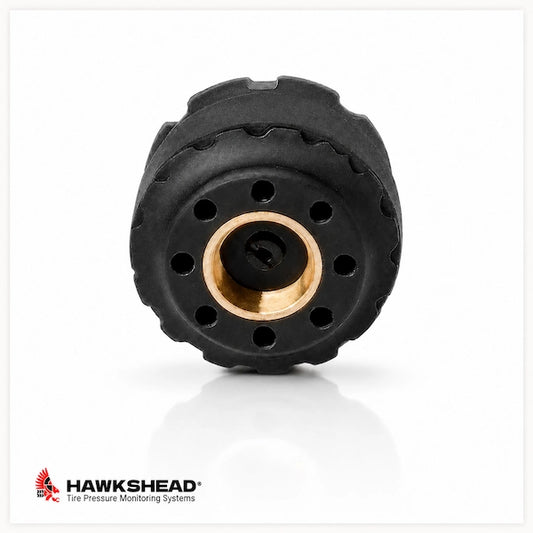 Sale
SaleTrack Master 4S Solar TPMS System – 4 Wheel Tir...
SaleSolar TPMS System for 4-Wheel Tire Monitoring
Track Master 4S Solar TPMS System – 4 Wheel Tir...
Regular price $259.99 USDRegular priceUnit price per$310.99 USDSale price $259.99 USDSale


How Wireless TPMS Works
A wireless TPMS helps monitor tire pressure and temperature without needing a direct wired connection between each tire sensor and the display monitor. The sensors collect tire data and transmit it wirelessly to the monitor, giving drivers real-time visibility into tire conditions while driving.
Wireless TPMS systems are commonly used on RVs, trailers, semi trucks, buses, commercial fleets and heavy-duty vehicles because they make tire monitoring more practical across multiple wheels. The right setup depends on vehicle length, wheel count, sensor type, towing configuration and whether a signal booster is recommended.
Recommended Wireless TPMS Setup by Application
| Application | Recommended Wireless TPMS Setup | Best For |
|---|---|---|
| RV or Motorhome | Wireless TPMS system with external cap sensors | Monitoring tire pressure and temperature during long-distance travel. |
| Travel Trailer or Towed Trailer | Wireless TPMS with trailer sensors and optional booster | Towing setups where trailer tires are difficult to check manually. |
| Semi Truck or Commercial Truck | Heavy-duty wireless TPMS with multi-wheel support | Commercial tire monitoring, fleet use and long-haul routes. |
| Bus or Passenger Fleet | Wireless TPMS system with pressure and temperature alerts | Daily inspections, passenger safety and fleet tire maintenance. |
| Industrial or Heavy-Duty Equipment | Wireless TPMS with compatible heavy-duty sensors | Industrial tire monitoring, OTR applications and downtime reduction. |
Wireless Tire Pressure Monitoring for RVs, Trailers and Trucks
A wireless tire pressure monitoring system is useful when the driver needs to monitor multiple tires from the cab or driving position. This is especially important for RVs, trailers and commercial trucks where rear tires, trailer tires or dual-wheel positions are harder to inspect during travel.
By monitoring tire pressure and temperature in real time, a wireless TPMS can help drivers identify tire changes earlier and make better maintenance decisions. For application-specific options, review our RV TPMS, trailer TPMS and semi truck TPMS systems.
Wireless TPMS Sensors and Monitor Setup
Most wireless TPMS setups include a monitor and compatible external sensors. The monitor displays tire pressure and temperature information, while the sensors transmit data from each monitored tire. The number of sensors should match the total number of tires you need to track.
External wireless TPMS sensors are practical because they can be installed on the tire valve and serviced when needed. For easier tire inflation, some drivers also use compatible TPMS valve stems and T-Valve adapters to reduce the need to remove the sensor during routine pressure checks.
When a Wireless TPMS Needs a Signal Booster
A wireless TPMS may need a signal booster when the distance between the sensors and the monitor is longer than normal. This can happen with motorhomes, trailers, long towing combinations, semi trucks, buses, fleet vehicles and heavy-duty equipment.
The signal booster supports communication between the sensors and the monitor, especially when vehicle length, multiple axles or metal structures make signal transmission more difficult. For long vehicles or commercial setups, review compatible TPMS accessories before completing the installation.
Choosing the Right Wireless TPMS System
To choose the right wireless TPMS system, start with the total number of tires you want to monitor. Then consider vehicle type, tire pressure range, sensor compatibility, installation needs and whether you tow a trailer or operate a longer commercial vehicle.
A basic wireless setup may be enough for smaller vehicles, while larger vehicles may require more sensors, stronger signal support or heavy-duty components. If you are comparing complete systems, visit our TPMS systems collection for broader tire monitoring options.
Wireless TPMS FAQs
What is a wireless TPMS?
A wireless TPMS is a tire pressure monitoring system that uses sensors to transmit tire pressure and temperature data to a display monitor without a direct wired connection to each tire.
How does a wireless tire pressure monitoring system work?
A wireless tire pressure monitoring system uses sensors installed on the tires to send pressure and temperature information to a monitor, allowing the driver to track tire conditions while driving.
Is wireless TPMS good for RVs and trailers?
Yes. Wireless TPMS is commonly used for RVs and trailers because it helps drivers monitor tires that are difficult to check manually, especially during long trips or towing.
Do wireless TPMS systems need a signal booster?
Some wireless TPMS systems may need a signal booster for longer vehicles, trailers, motorhomes, semi trucks, buses or fleet applications where the distance between sensors and monitor is greater.
Can wireless TPMS monitor tire temperature?
Yes. Compatible HawksHead wireless TPMS systems are designed to monitor both tire pressure and tire temperature when used with the correct sensors and monitor.
How many wireless TPMS sensors do I need?
The number of wireless TPMS sensors depends on how many tires you want to monitor. RVs, trailers, semi trucks, buses and fleet vehicles may require different sensor counts depending on their wheel configuration.